
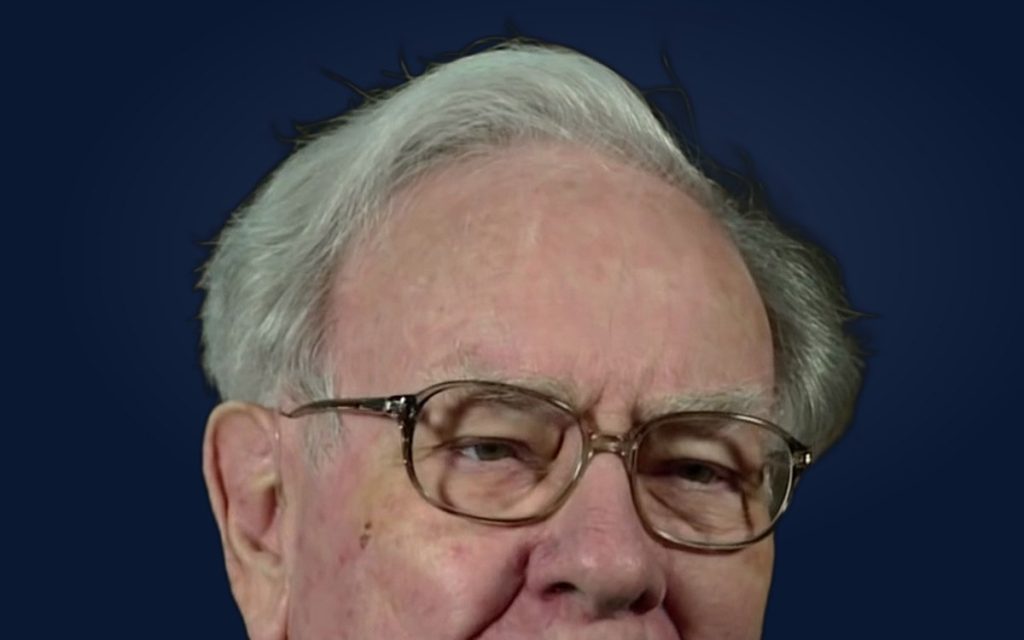
Warren Buffett: The Oracle of Omaha
The most successful investor of all time, Chairman of Berkshire Hathaway, and master of Value Investing.
Career & Biography
Warren Edward Buffett was born on August 30, 1930, in Omaha, Nebraska. His father, Howard Buffett, was a local stockbroker and later a U.S. Congressman, which sparked Warren’s fascination with the markets at an incredibly young age. By the age of eleven, he bought his first three shares of Cities Service Preferred. He quickly learned that patience is a virtue on Wall Street after selling the stock for a tiny profit, only to watch it skyrocket in value later.
During his high school years, he displayed an extraordinary entrepreneurial spirit. He delivered newspapers, installed pinball machines in barber shops, and sold used golf balls. By age 14, he used his savings to buy a 40-acre farm. After studying at the Wharton School, he transferred to Columbia University to study under his great idol, Benjamin Graham. Graham’s book “The Intelligent Investor” remains, in Buffett’s view, the best book on investing ever written.
Graham shaped Buffett’s understanding of “intrinsic value” and the “margin of safety.” From 1956 to 1969, Buffett operated Buffett Partnership Ltd. from his bedroom in Omaha. During this period, he achieved an average annual return of nearly 30%, while the Dow Jones struggled. In 1965, he took control of Berkshire Hathaway. What started as a failing textile mill was transformed over decades into one of the world’s most powerful conglomerates. Today, Berkshire owns over 60 subsidiaries, including GEICO, Duracell, Dairy Queen, and the BNSF Railway.
A decisive turning point was meeting Charlie Munger in 1959. Munger convinced Buffett that it was better to “buy a wonderful company at a fair price than a fair company at a wonderful price.” This shift from Graham’s “cigar-butt” investing to Munger’s quality-centric approach laid the foundation for Berkshire’s unprecedented long-term success.
Investment Philosophy & Strategy
Buffett’s philosophy is built on the pillars of Value Investing, complemented by the search for an “Economic Moat.” He views a stock not as a ticker symbol but as an ownership stake in a real business.
1. The Moat: Buffett looks for businesses protected by a deep foso against competition. This can be a strong brand (Coca-Cola), network effects (American Express), or cost advantages. Without a moat, a company’s return on capital is always at risk.
2. Circle of Competence: He only invests in what he understands. This allowed him to avoid the dot-com bubble unscathed while others lost billions. He stuck to “boring” companies like See’s Candies or Gillette, whose cash flows he could predict with precision.
3. Compounding & Patience: “Our favorite holding period is forever.” Buffett lets his winners run. He understands that the true magic of wealth building lies in the compounding effect over decades. He is a master of doing nothing when no great opportunities exist.
4. Insurance Float: A technical but essential part of his strategy is utilizing Berkshire’s insurance float. The premiums collected by GEICO and other insurers serve as interest-free capital for Berkshire to invest until claims must be paid. This leverage is a key driver of his outsized returns.
3 Most Famous Trades & Decisions
Coca-Cola (1988): The Forever Holding
Following the 1987 crash, Buffett began acquiring shares in the beverage giant. By 1994, he had invested $1.3 billion. Today, Berkshire holds nearly 10% of the company. The kicker: the annual dividends Berkshire receives from Coca-Cola now exceed $750 million—more than 50% of his original purchase price every single year.
American Express (1964): The Salad Oil Scandal
During a temporary fraud scandal that crushed Amex stock, Buffett visited local restaurants and saw people were still using their cards. He realized the brand was intact. He used the panic to buy 5% of the company, a position that became a cornerstone of his portfolio.
Apple (2016): The Pivot to Tech
Buffett realized Apple was the ultimate consumer products company with an unbeatable ecosystem. Berkshire built a position that peaked at over $150 billion in value. Apple is now the “third engine” of Berkshire alongside insurance and the railroad.
Even the master makes mistakes: In 1993, he bought Dexter Shoe for $433 million—paying with Berkshire stock. Since Berkshire shares rose massively and the shoe company went bust, he estimates the mistake cost over $15 billion in missed gains.
Portfolio Analysis & The $300B Cash Pile
Berkshire’s latest 13F shows high concentration. The Top 5—Apple, Bank of America, American Express, Coca-Cola, and Chevron—represent the bulk of his equity capital. However, the most striking news is the cash reserve, exceeding $300 billion. This record liquidity suggests Buffett sees the market as overvalued and is waiting for a correction. Track live moves in our Smart Money Tracker.
Top 5 Quotes
“Be fearful when others are greedy, and greedy when others are fearful.”
“Price is what you pay. Value is what you get.”
“Our favorite holding period is forever.”
“Risk comes from not knowing what you’re doing.”
“It’s better to buy a wonderful company at a fair price than a fair company at a wonderful price.”
Recommended Resources & Books
- Shareholder Letters: Annual letters on berkshirehathaway.com. Essential reading.
- The Snowball: Alice Schroeder’s authorized biography. Deeply detailed.
- The Intelligent Investor: Benjamin Graham’s masterpiece. The foundation of his career.
This article is for informational purposes only and does not constitute investment advice. ButterflyMarketInsider is not a licensed financial advisor. Portfolio values based on public 13F filings.
Try TradingView Free for 30 Days
Plus get a $15 discount on your first subscription through this link.