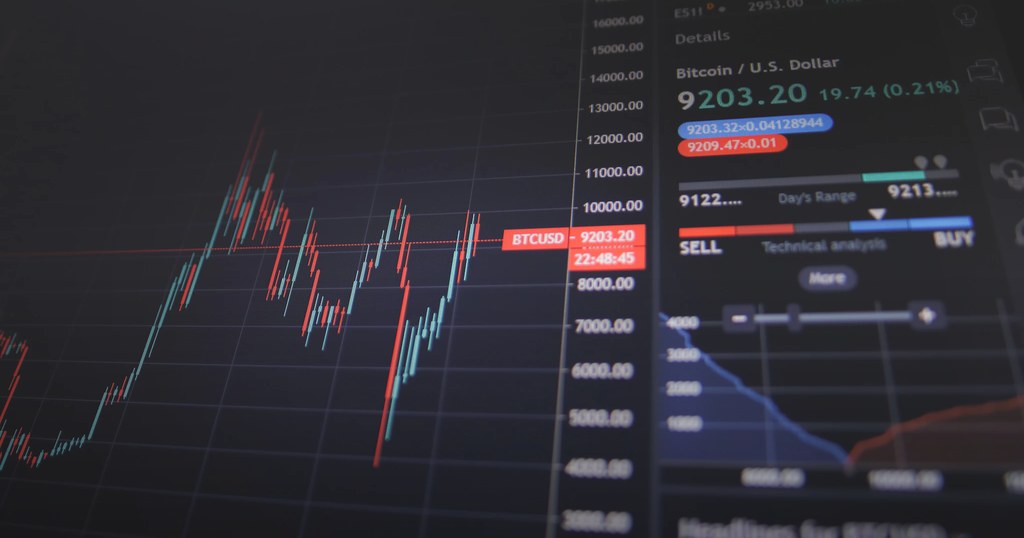
The S&P 500 broke through the 7,000-point barrier on Wednesday and followed up with a close at 7,041 on Thursday. It’s the first time in history that the index has closed above this psychologically important threshold. The Nasdaq posted its 12th consecutive winning day — the longest winning streak since 2009.
The Numbers Behind the Rally
The speed of this recovery is remarkable. Just three weeks ago, the S&P 500 was 9% below its January high, weighed down by the escalation between the US and Iran. Since then, the index has gained 10.7% in 11 trading days — the fifth-fastest recovery from a deep pullback in the index’s history.
The Dow Jones rose to 48,578. The Russell 2000 reached its first record high since January. And the technology sector celebrated its longest winning streak since December.
What’s Driving the Rally
Three factors are pushing the market higher simultaneously.
First, Iran deal hopes. The US and Iran are in indirect discussions about extending the two-week ceasefire set to expire on April 22. Trump confirmed on Thursday a ceasefire between Israel and Lebanon — an important step toward a broader peace resolution. The White House stated it remains “very much engaged in the negotiations.”
Second, earnings. The quarterly season has started with strong results — JPMorgan, Goldman Sachs, Citigroup, and now TSMC have all beaten expectations. The expected earnings growth rate for the S&P 500 stands at 13.9% for Q1, with technology leading at 46%.
Third, AI euphoria. Oracle surged 27% this week — its best week since 1999. The entire semiconductor sector is booming. Nvidia finally reached a new year-to-date high. The “Magnificent Seven” are back on top.
Retail Traders Are Returning
An important signal: According to JPMorgan data, retail traders who had largely sat out the entire rally are suddenly active again. Buying activity surged from the 10th percentile to the 55th percentile in just days. Single-stock purchases jumped to the 71st percentile.
This is a classic FOMO signal. When retail investors only start buying after the market has already risen 10%, it often indicates a late stage of the rally. It doesn’t mean the market will drop immediately, but it shows that the “easy part” of the recovery is over.
Risks on the Horizon
The biggest danger is that the market has already priced in an Iran deal. If negotiations fail on April 22 and the ceasefire isn’t extended, a sharp pullback looms. Oil prices could quickly surge back above $100, reigniting inflation concerns.
Additionally, six of eleven S&P sectors haven’t reached new record highs. The rally is primarily driven by mega-cap tech — market breadth is still lacking. Until more sectors participate, the foundation remains fragile.
Bottom Line
S&P 500 above 7,000 is a historic milestone. But after 10.7% in 11 days, caution is warranted. Long-term investors should stay invested but build new positions carefully. April 22 — the expiration date of the Iran ceasefire — becomes the next key date. Monitor the Fear & Greed Index for daily sentiment signals.
Try TradingView Free for 30 Days
Plus get a $15 discount on your first subscription through this link.