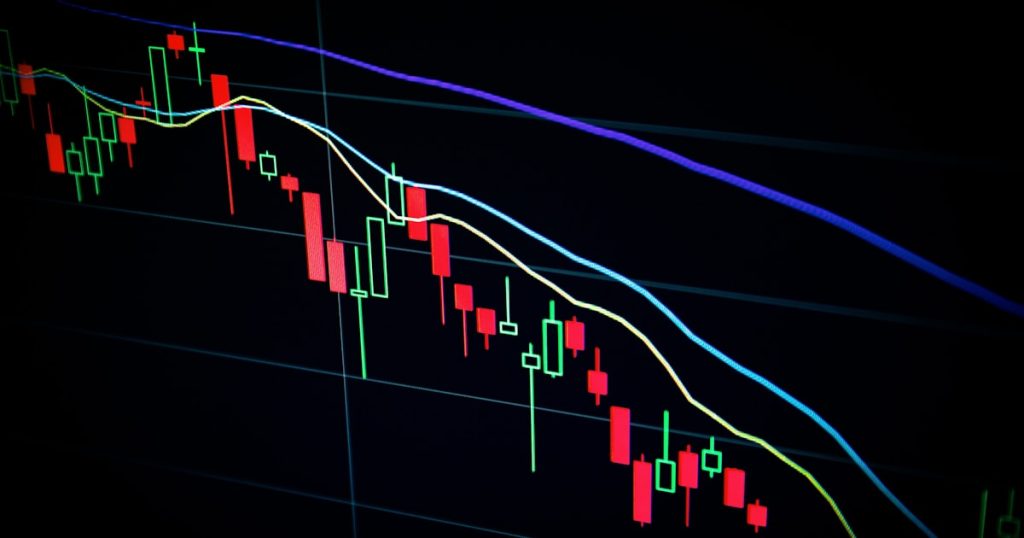
The March Consumer Price Index came in at 3.3% year-over-year. That’s exactly what economists expected, but it’s the wrong kind of confirmation. Inflation is reaccelerating, driven almost entirely by energy prices that have surged since the Iran conflict began in late February.
Here’s what makes this report so dangerous for markets: core CPI, which strips out food and energy, came in at just 2.6% — actually better than expected. Under normal circumstances, that would be bullish. But these aren’t normal circumstances. The headline number is what consumers feel at the gas pump, at the grocery store, and in their rent checks. And 3.3% is moving in the wrong direction.
The Fed’s Impossible Position
The Federal Reserve is trapped. FOMC minutes released this week revealed that a growing number of officials are now considering rate hikes — not cuts. With oil hovering near $98 per barrel and gasoline above $4 per gallon, inflation expectations are becoming unanchored. But hiking rates into a slowing economy risks triggering a recession that would make 2023 look mild.
Fed Chair Powell said Thursday that no rate hike is needed to fight the oil shock. Markets initially cheered. But his statement was carefully worded — he said “needed,” not “off the table.” The Fed is buying time, hoping the ceasefire holds and oil drops back below $80. If it doesn’t, they’ll have no choice.
What This Means for Your Portfolio
Rising inflation with slowing growth is the textbook definition of stagflation — the worst possible environment for stocks. Growth stocks that dominated the post-COVID era depend on low rates and expanding multiples. Neither is happening now.
The winners in stagflation are energy stocks (which benefit from high oil), consumer staples (people still buy toothpaste), healthcare (non-discretionary spending), and gold. The losers are unprofitable tech, consumer discretionary, and anything with high debt loads.
Track how fear and greed are shifting in real time with the BMInsider Fear & Greed Index. The 10-year Treasury yield sits at 4.30%, well above its pre-war level of 3.97%. That 33-basis-point jump translates directly into higher mortgage rates, higher corporate borrowing costs, and lower stock valuations. Every basis point matters.
Try TradingView Free for 30 Days
Plus get a $15 discount on your first subscription through this link.
Read more in our topic hub: Topic Hub: Fed Policy, Rates & Bonds 2026