
Joel Greenblatt
Gotham Asset Management
Profil et philosophie d'investissement
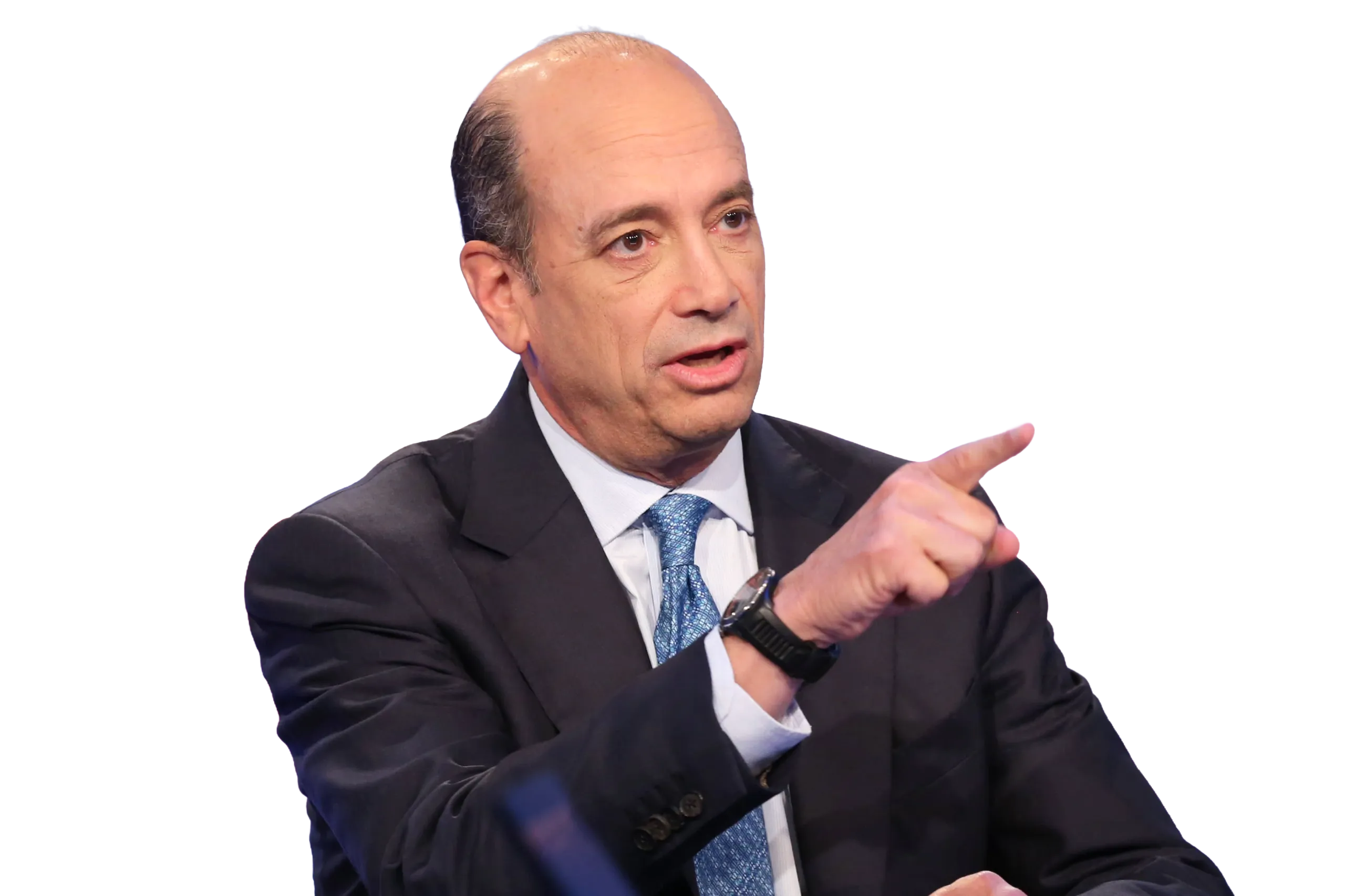
Joel Greenblatt continue de déployer sa stratégie value systématique via Gotham Asset Management. Au premier trimestre 2026, le portefeuille est resté ancré sur le S&P 500 (SPY) et le Gotham Enhanced 500 ETF (GSPY), tout en conservant une exposition technologique de qualité à Apple et NVIDIA. L'approche méthodique de Greenblatt vise à extraire de l'alpha des cycles émotionnels du marché grâce à un filtrage quantitatif rigoureux.
Track Record
Joel Greenblatt ran Gotham Capital from 1985 to 1994 with a reported annualized return of roughly 50% gross before returning outside capital, one of the most aggressive records in modern investing. He then continued to compound personal and partner capital privately and later launched Gotham Asset Management with Robert Goldstein, running long-short and long-only strategies based on his quantitative value framework. Gotham Asset Management today manages billions of dollars across mutual funds and separate accounts. The Magic Formula methodology described in The Little Book That Beats the Market has been replicated and stress-tested extensively in academic literature.
Trades emblématiques
Stratégie actuelle (2026)
Gotham Asset Management's 2026 13F is the opposite of Pabrai or Hohn: roughly 1700 holdings spread across the US market, with SPY itself at about 17.9% as the largest single line. The portfolio is effectively a quant value tilt around a core S&P 500 exposure, generated by Gotham's earnings-yield and return-on-capital ranking models. Position sizes are small, turnover is meaningful but disciplined, and the long book is paired with short exposure in the firm's hedge-fund vehicles. This is a deliberately industrialised version of the Magic Formula: thousands of small bets aggregating into a structural factor exposure, not the single high-conviction call style of the early Gotham era.
BMI Counter-Take
Greenblatt is two managers in one biography: the 50% gross compounder running concentrated spinoffs and derivatives until 1994, and the systematic factor manager running 1700-name portfolios today. The Magic Formula remains intellectually clean and academically validated, but its real edge has narrowed as quant value has been commoditised. We respect the durability and the willingness to publish the playbook, which most managers would never do. For retail the takeaway is not to copy SPY at 17.9%, it is to internalise the framework: rank by quality and price, ignore stories, and accept that a great system can lag the index for years.
Portefeuille actuel
DERNIER 13F 2026-03-31Dernière déclaration SEC Form 13F. Valeur totale du portefeuille: 28,3 Md €. Positions: 1749 positions.
| Titre | Actions | Δ vs préc. | Valeur (€) | Portefeuille % |
|---|---|---|---|---|
| State Str Spdr S&P 500 ETF T | 9,01 M | +33.87% | 5,07 Md € | 17,9 % |
| Apple Inc. | 2,87 M | +83.88% | 631 M € | 2,23 % |
| Nvidia Corporation | 4,13 M | +39.95% | 624 M € | 2,21 % |
| Tidal Trust I | 17,0 M | +1.51% | 520 M € | 1,84 % |
| Ishares Tr | 435.384 | +6.79% | 246 M € | 0,87 % |
| Vanguard Index Fds | 858.103 | +11.93% | 146 M € | 0,52 % |
| Vanguard Index Fds | 276.774 | +53.26% | 143 M € | 0,51 % |
| Amazon Com Inc. | 789.833 | -20.50% | 142 M € | 0,50 % |
| Alphabet Inc. | 549.121 | +5.36% | 137 M € | 0,48 % |
| Snowflake Inc. | 991.420 | +0.13% | 129 M € | 0,46 % |
SOURCE : SEC Form 13F (2026-05-15). BMI Smart Money Tracker.