Helmerich & Payne Swings to $490M Q4 Loss on $610M Middle East Impairment
Helmerich & Payne posted a $489.8M Q4 net loss after writing down $609.9M in Middle East drilling rigs, despite adjusted earnings beating Wall Street views.
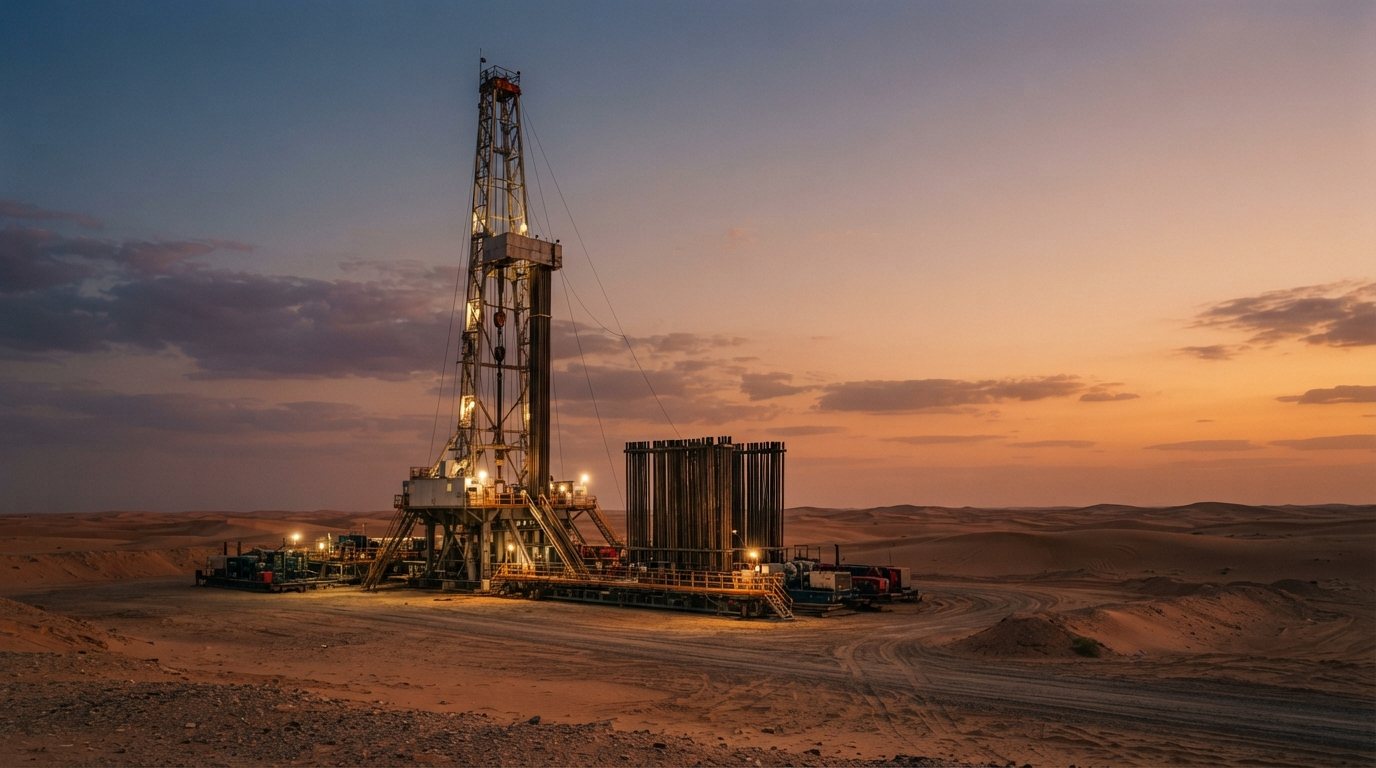
On Wednesday evening, drilling contractor Helmerich & Payne reported a fiscal fourth-quarter GAAP net loss of $489.8 million, or $4.91 per share, after recording a $609.9 million non-cash asset impairment charge focused on its Middle East fleet. For equity investors, while adjusted operating results managed to beat consensus forecasts, the hefty write-down signals that capital discipline and delayed tender cycles across the Gulf could stall international growth well through 2027.
What happened
The massive write-down overshadowed an otherwise resilient operating period for the Tulsa-based contractor. For the quarter ended September 30, 2026, Helmerich & Payne delivered adjusted net income of $36.0 million, or $0.36 per share, surpassing Wall Street expectations of $0.27. Consolidated revenue rose 6% sequentially to $1.09 billion, exceeding consensus estimates of $1.06 billion, while adjusted EBITDA expanded 14% to $269 million.
The GAAP loss stems directly from the $609.9 million non-cash impairment on its balance sheet, including a $529.4 million charge specifically tied to its Saudi Arabia T-Series asset group of rigs, parts, and customer intangibles. Shares of Helmerich & Payne closed regular trading on Wednesday down 2.25% at $35.15 on its ex-dividend date, before sliding further in after-hours trade as investors parsed the unexpected severity of the international markdowns.
Why it matters
The results showcase a stark divergence between resilient domestic cash generation and deteriorating cross-border economics. Helmerich & Payne's core North America Solutions segment delivered strong operational momentum, posting $151 million in operating income and $259 million in direct margins. However, the company's aggressive international push—highlighted by its recent $1.97 billion acquisition of KCA Deutag—is running straight into state-owned operator retrenchment.
With national oil companies such as Saudi Aramco suspending contracts and slowing land deployments to prioritize domestic gas projects, drillers are confronting stranded capacity. The write-down on the company's income statement is non-cash, but it permanently lowers asset book values and confirms that idle Middle Eastern rigs will not yield anticipated returns through 2027. As international dayrates soften, contractors face elevated idle-equipment carrying costs that limit free cash flow flexibility for share repurchases and fleet capex.
What to watch next
- Saudi Aramco tender activity: Any revised timeline for contract reactivations or further term suspensions through 2027.
- Q1 fiscal 2027 margin guidance: Management's upcoming earnings call comments on International Solutions margins and idle-rig absorption costs.
- North American utilization: Whether Permian super-spec rig counts can sustain pricing power to offset international headwinds.
- Capital allocation priorities: How the board balances its quarterly $0.25 dividend and debt reduction against subdued international cash flows.
Sources (2)
This analysis is for information only and is not investment advice. Prices and figures as of publication.