Amazon Warns Proposed NYC Delivery Bill Could Add Up to $5 Per Order, Threatens Relocation
Amazon warned New York City's Intro 518 bill could add up to $5 per order and force warehouse relocations, threatening the tech giant's last-mile logistics margins.
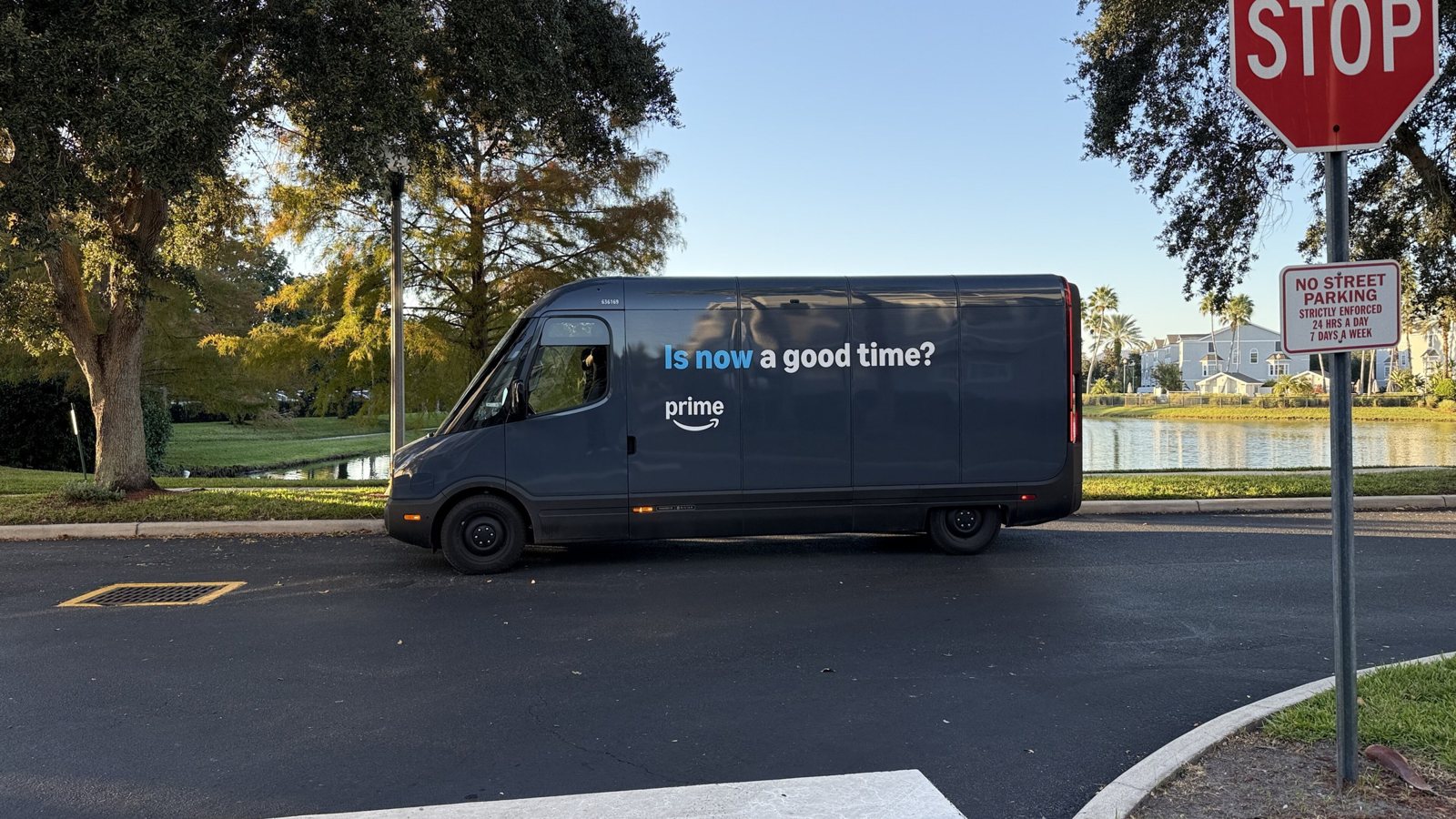
Amazon warned customers on Thursday afternoon, November 19, 2026, that New York City's proposed Intro 518 bill could add up to $5 per order and force delivery hubs out of the city. For investors, the confrontation threatens the cost structure of Amazon's third-party courier model in its largest metropolitan market, raising margin risks and fears of nationwide regulatory contagion.
What happened
On Thursday afternoon, Amazon (AMZN) launched in-app pop-ups and website warnings against the New York City Council’s Intro 518, also known as the Delivery Protection Act. Sponsored by Council Member Tiffany Cabán and supported by the Teamsters union, the bill requires last-mile warehouse operators to directly hire delivery couriers rather than rely on independent Delivery Service Partners (DSPs).
Amazon stated the mandate would force it to sever ties with more than 40 local DSPs, impacting over 5,000 jobs, adding up to $5 in extra delivery costs per order, and prompting the relocation of fulfillment facilities outside city limits. On Wall Street, Amazon shares traded steady near $267.52 on Thursday, as markets weighed the localized dispute against overall corporate profitability.
Why it matters
The standoff challenges the core efficiency of Amazon's last-mile logistics. Since 2018, the DSP network has allowed Amazon to insulate itself from fleet capital costs, payroll taxes, and worker benefits while preserving tight delivery schedules. Forcing direct W-2 employment in New York would significantly inflate operating overhead, squeezing Income Statement and Cash Flow margins in its core North American retail unit.
The broader risk to Amazon's Quality and Economic Moats lies in regulatory contagion. If labor groups establish a precedent banning logistics subcontracting in New York City, peers from Chicago to Los Angeles may follow. Relocating depots across the Hudson River to New Jersey could protect the labor model, but would likely lengthen delivery times and increase bridge tolls, eroding Prime's service advantage.
What to watch next
- Council Voting Schedule: Watch for committee hearings and full City Council action on Intro 518.
- Contagion to Other Cities: Monitor whether municipal lawmakers in other union-heavy metro hubs introduce similar contractor bans.
- Retail Fulfillment Margins: Track North American operating margins and potential regional shipping surcharges in quarterly earnings.
- Tri-State Logistics Shifts: Look for signs of Amazon shifting warehouse leasing into New Jersey or Westchester.
Stocks in this analysis
AI stock analysisFree on aktienanalyse.ai: score profile, ratios versus the industry and business model. Plus, if you want it, the full analysis with fair value and bull, base and bear case. Prices and ratios as of Nov 18, 2026.
Sources (3)
This analysis is for information only and is not investment advice. Prices and figures as of publication.