Man United Q1 Loss Nearly Triples to £18.1M as Wages Rise and Shares Drop
Manchester United's Q1 net loss widened to £18.1M on rising player wages, sending NYSE-listed shares down 7.5% as on-pitch struggles cloud future earnings.
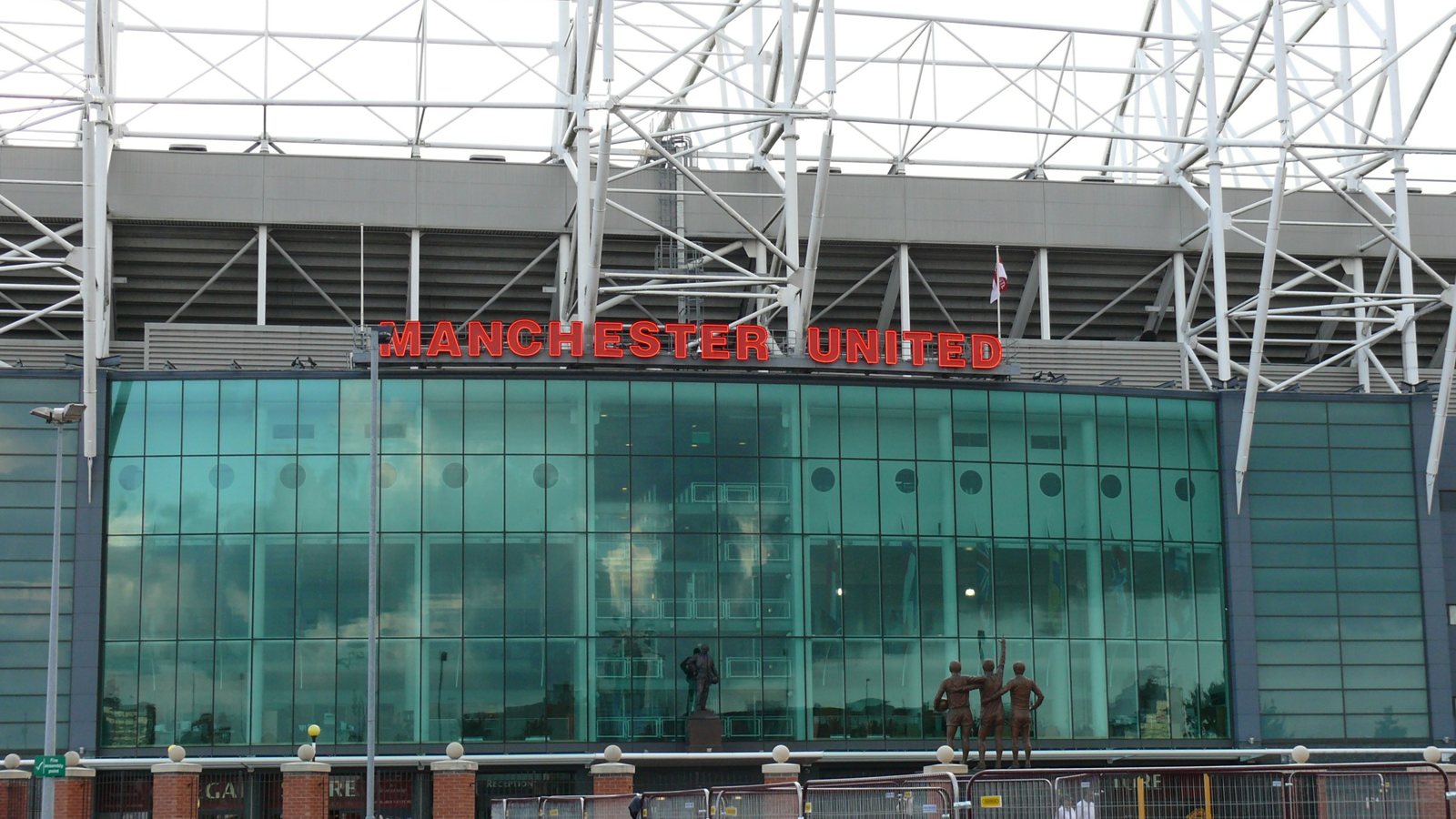
Manchester United’s net loss nearly tripled to £18.1 million in its fiscal first quarter as surging wage costs and diminished player-sale gains erased the financial lift of returning to the UEFA Champions League. For investors, the club's widening operational deficit underscores a dangerous disconnect between mounting payroll liabilities and an on-pitch slump that threatens next season's vital European broadcasting prize.
What happened
Manchester United plc (NYSE: MANU) reported fiscal 2027 first-quarter revenue of £146.1 million on Thursday, up 4.1% year-over-year but trailing Wall Street expectations of roughly £151 million. The club swung from an operating profit of £13.0 million a year ago to an operating loss of £3.0 million, widening its net loss to £18.1 million from £6.6 million. In pre-market trading on the New York Stock Exchange, MANU shares slid approximately 7.5% to $20.25 on November 19, 2026.
Top-line gains were driven by a 17.7% rise in broadcasting revenue to £35.2 million due to Champions League fixtures, while matchday receipts inched up 2.3% to £26.8 million. Commercial revenue held flat at £84.1 million. However, employee benefit expenses jumped 8.6% to £79.9 million, fueled by player salary escalators tied to Champions League participation. Compounding the cost inflation, profits from player registrations dropped sharply to £20.7 million from £45.0 million a year earlier.
Why it matters
The results lay bare the structural fragility of the club's financial model, as detailed in its Income Statement and Cash Flow. While adjusted EBITDA ticked up modestly to £27.5 million, payroll absorbed more than 54% of top-line revenue, leaving little room for error. When player-trading windfalls dried up, operating margins immediately turned negative.
Compounding profitability concerns is the club’s leverage. According to filings, total net debt stands near £729 million, with non-current dollar senior notes at $775 million and outstanding transfer payables exceeding £332 million—a heavy burden scrutinized when Reading the Balance Sheet. With Manchester United sitting in the Premier League relegation zone rather than European qualification spots, the prospect of missing continental tournaments in fiscal 2028 creates an asymmetric downside risk that current cost structures cannot easily absorb.
What to watch next
- Premier League table progression: Any prolonged domestic slump that cements a finish outside European qualification spots for 2027/28.
- January transfer window discipline: Outgoing player sales and squad trimming required to reduce wage commitments and generate registration gains.
- Full-year guidance compliance: Club performance against reiterated fiscal 2027 guidance of £740M–£760M in revenue and £205M–£225M in adjusted EBITDA.
Sources (2)
This analysis is for information only and is not investment advice. Prices and figures as of publication.