UN Tribunal Rejects Argentina's Bid to Halt $2.1 Billion Sea Lion Oil Project
ITLOS in Hamburg voted 18-3 against Argentina's provisional measures on Falklands drilling. Operator Navitas and Rockhopper can press ahead — but arbitration and sanctions keep the risk live.
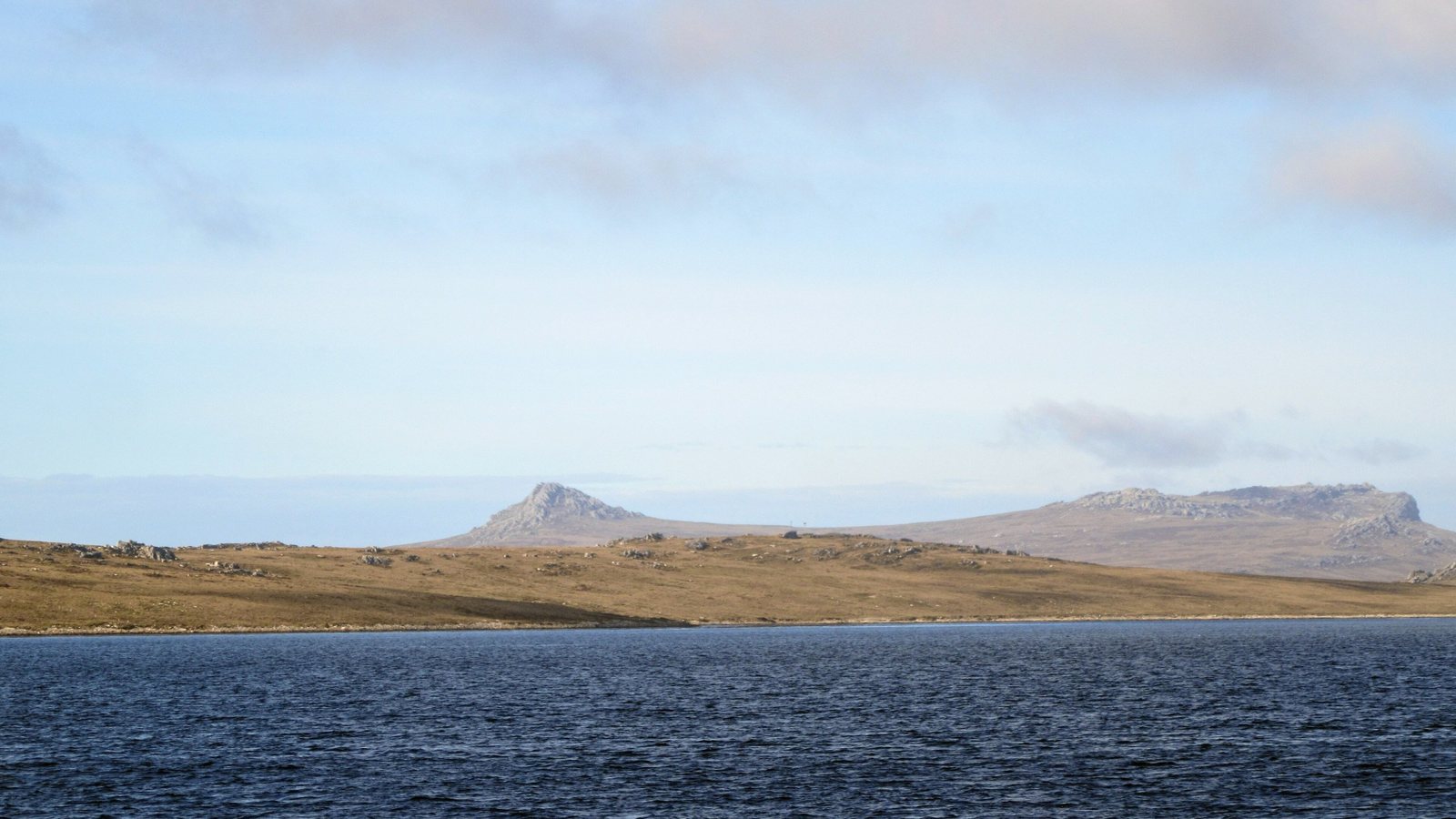
The International Tribunal for the Law of the Sea (ITLOS) in Hamburg on Saturday rejected Argentina's request for provisional measures against UK-authorised drilling in the North Falkland Basin, voting 18–3 against suspending the $2.1 billion Sea Lion project. For investors, it means the legal clock on a small-cap frontier oil story has been reset, not stopped.
What happened
Argentina had asked the tribunal to order London to ensure "no new drilling for exploitation, and no installation of production infrastructure" in the basin — and to stop the UK from using exploration data gathered there. The court declined: the claim, it found, cannot be resolved without determining sovereignty over the archipelago, a question outside the scope of the UN Convention on the Law of the Sea. Having found no jurisdiction, the tribunal did not examine urgency.
Sea Lion sits roughly 220 km north of the islands. Israel's Navitas Petroleum holds 65% and operates the project, with the UK's Rockhopper Exploration on 35%; the two took final investment decision in December 2025. In its order the tribunal placed on record assurances the UK gave at the hearing: no drilling before March 21, 2027, no extraction before March 2028, and no further licences while the licensing regime is suspended.
Milei's office said it respected the ruling but disagreed, and that "this decision is not the final word": Buenos Aires will keep pushing through diplomatic, legal and administrative channels, including a separate arbitration panel launched in September. London welcomed the outcome and wants an end to what it calls Argentina's "economic pressure" on the islands.
Why it matters
A provisional-measures order would have been legally binding on both parties — the one near-term legal lever that could have stalled the project. That lever is gone, but the underlying case is not. Argentina's formal arbitration continues, and on Friday his government announced fresh sanctions proceedings against five individuals or companies linked to the project.
The South Atlantic remains one of the few offshore provinces where politics, not geology, sets the discount. Sea Lion's economics move with Brent — which has been volatile on Hormuz and OPEC+ headlines — but the project's day-one risk premium is set in courtrooms and foreign ministries. Note also that the tribunal only declined to act at this stage; it did not bless the project's legality. If you want the framework for how such re-rating risk shows up in a small-cap share price, see our piece on volatility and drawdowns and on risk management.
One more variable: Trump has said he is open to reviewing Washington's stance on the islands, and the UK prime minister raised Sea Lion with him in a late-October call. That keeps a second sovereign actor in the equation — a tail risk a 220-km offshore field cannot price efficiently.
What to watch next
- March 21, 2027: the date the UK told the tribunal drilling would not begin before; any slip is a direct signal on legal and financing friction.
- Arbitration calendar: procedural steps in Argentina's September filing, plus any new sanctions targets.
- UK-Argentina diplomacy: whether Milei's "all channels" rhetoric translates into concrete measures against contractors.
- Washington: any movement on the US position after Trump's stated openness.
- Navitas/Rockhopper funding news: contractor replacement and capital commitments before drilling, where how stock prices are made matters more than the ruling itself.
Sources (2)
This analysis is for information only and is not investment advice. Prices and figures as of publication.