TJX Directs $167M of Federal Tariff Refund Windfall Into Incentive and Bonus Pools
TJX steered $167M of its $463M federal tariff refund into employee incentive compensation and bonuses rather than price cuts, sparking scrutiny ahead of the holidays.
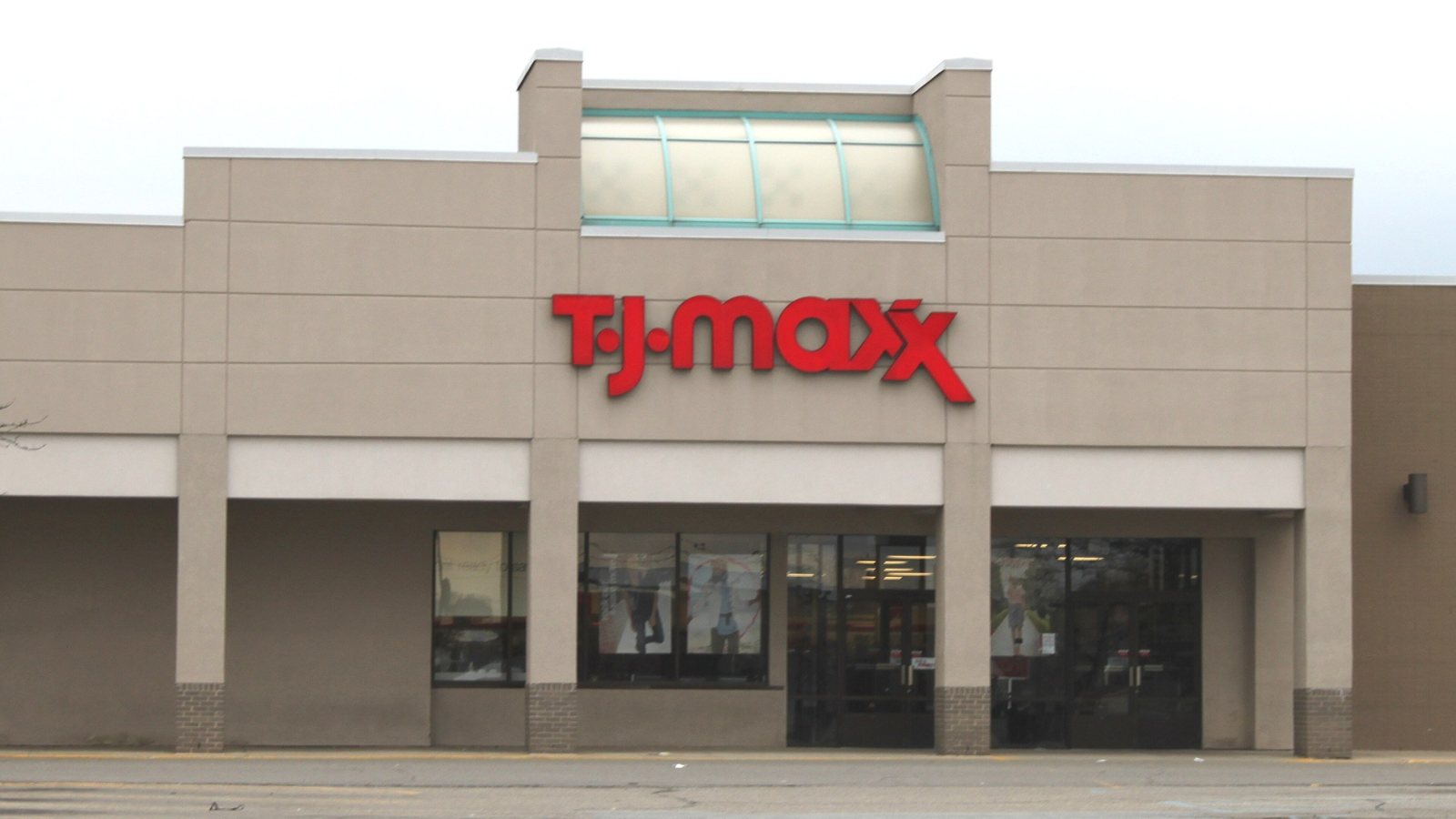
The TJX Companies has directed $167 million of its $463 million federal tariff refund windfall into internal incentive compensation and bonus pools, according to a Fortune report published Saturday morning on investigative findings by ProPublica. The allocation shifts investor attention from Wednesday's earnings beat to growing reputational and political scrutiny over why government reimbursements are rewarding corporate and store-level staff rather than lowering prices for inflation-weary shoppers.
What happened
Following federal court rulings—culminating in a U.S. Supreme Court decision invalidating past emergency import tariffs under the International Emergency Economic Powers Act (IEEPA)—TJX recovered $463 million in retroactive tariff refunds across the first nine months of its fiscal year. In regulatory filings, the off-price retail giant disclosed that it accrued $112 million in the second quarter and an additional $55 million in the third quarter toward year-end incentive compensation and discretionary bonuses for eligible associates globally.
The windfall significantly bolstered third-quarter results reported on Wednesday, November 18. Diluted earnings per share reached $1.39 on revenue of $15.95 billion, with net tariff refunds contributing $0.05 per share to the bottom line. TJX stock rallied 8% following the release to $140.30 and consolidated on Friday, November 20, to finish the week at $139.61.
Why it matters
When emergency import tariffs were initially levied, retailers passed elevated landed costs onto consumers through higher retail markups. While court rulings mandated billions in refunds to commercial importers, shoppers have no mechanism to recoup those inflated expenses. TJX's decision to funnel roughly 36% of its government recovery into employee incentive compensation contrasts sharply with consumer expectations of price relief.
As previously highlighted in our report on how tariff refunds flattered TJX's profit, non-operating windfalls introduce distortion into the standard income statement. More critically, the Fortune coverage creates headline vulnerability heading into Black Friday. With lawmakers increasingly focused on corporate pricing practices, using government tariff refunds to fund corporate and associate bonuses rather than retail rollbacks invites bipartisan regulatory backlash.
What to watch next
- Political scrutiny: Inquiries or public statements from Capitol Hill committees scrutinizing whether corporate tariff refunds should face clawbacks or special excise taxes.
- Holiday consumer sentiment: Any signs of foot-traffic moderation at T.J. Maxx and Marshalls if discount shoppers perceive prices as artificially sticky.
- Q4 margin durability: Whether management can sustain gross margins in the fourth quarter amid freight cost pressure once one-time tariff tailwinds fade.
Sources (2)
This analysis is for information only and is not investment advice. Prices and figures as of publication.