Norse Atlantic Grounds All Flights and Warns It May File for Bankruptcy
Norse Atlantic suspended every flight on Nov. 26 after calling its finances "critical" a day earlier. It has $52 million of 15% bonds due in 2027 and no financing deal yet.
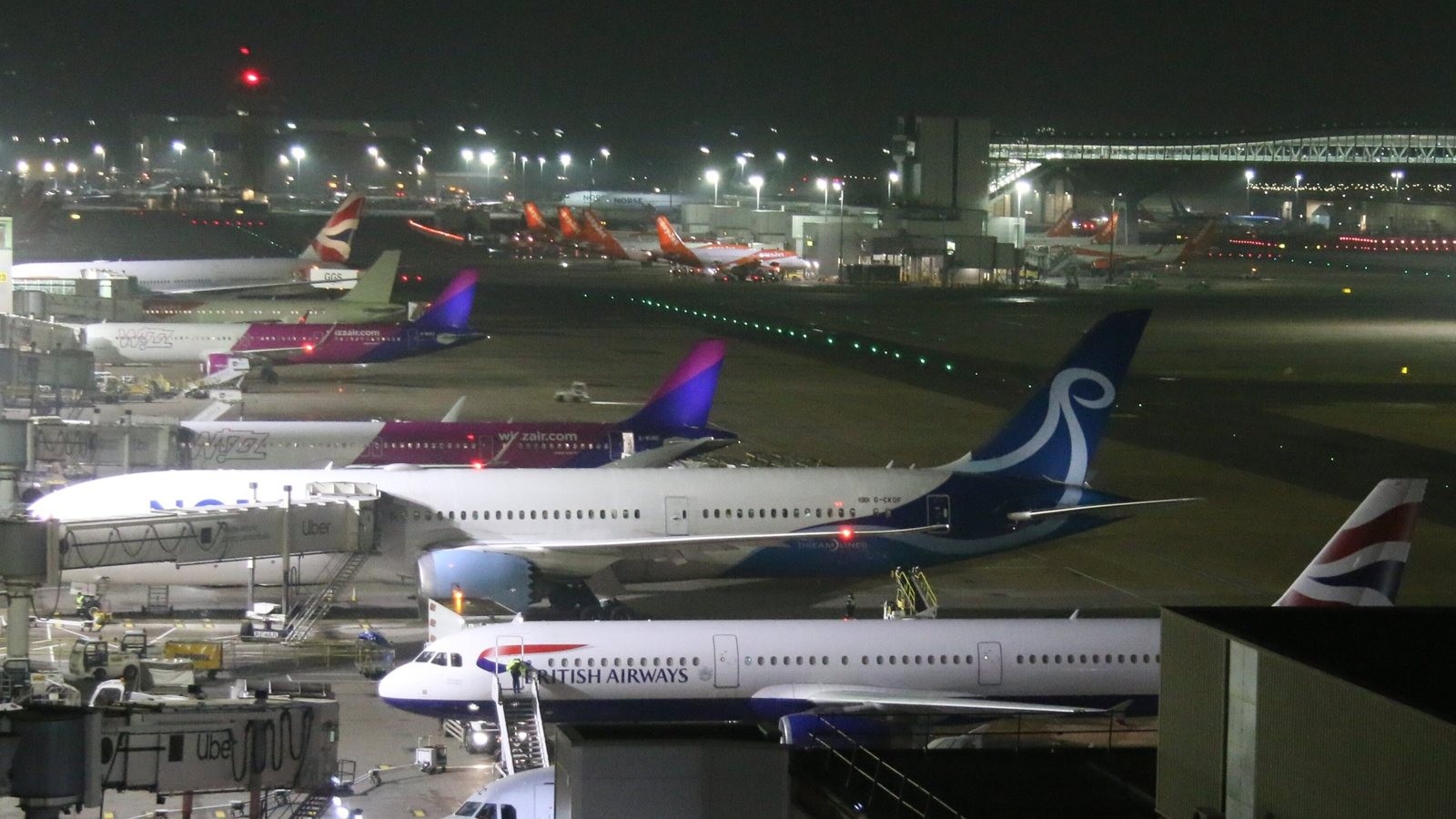
Norse Atlantic Airways suspended all flights on Thursday, Nov. 26, and warned that its board intends to file for bankruptcy if financing is not secured urgently. For investors, the collapse of a four-and-a-half-year-old budget long-haul carrier is a small event in index terms but a telling one for consumer travel demand and for the weakest balance sheets in the sector.
What happened
Parent company Norse Atlantic ASA said it had been in talks with investors about a possible takeover that would include a financing solution, but added there is “no assurance that a viable solution will be found.” The airline had already described its financial situation as “critical” on Wednesday, Nov. 25, saying it depended on new money to meet short-term liquidity needs.
The suspension hit wet-lease customer Pakistan International Airlines with no notice. PIA cancelled two Nov. 25 departures — PIA 786 from London Heathrow to Islamabad and PIA 710 from Manchester to Lahore — and switched its UK flying to its own Boeing 777s from Nov. 26. Nine routes were affected, including London Gatwick–Orlando and London–Cape Town, plus planned London Gatwick–Phuket and Manchester–Bangkok services.
Nor was this sudden. Norse had been hunting replacement work since its six-aircraft wet-lease deal with IndiGo ended effective Nov. 1, and in July it converted a strategic review into a formal process that could result in a sale, merger or partnership. It also held an information meeting with holders of its $52 million of senior secured bonds — 15% coupon, 2027 maturity — on Nov. 25.
Why it matters
Norse is the test case for a business model that has failed repeatedly: low-cost transatlantic flying on leased widebodies with thin margins. Its 787-9s carry 56 premium-economy recliners and 282 economy seats — a cabin mix that needs full planes just to service fixed costs.
Three pressures converge here: fuel costs, soft leisure demand on the US–Europe corridor, and a weaker trade and travel backdrop as tariff disputes weigh on sentiment. The first casualty is always the operator with the least cash and the highest leverage — not the strongest legacy carrier or lessor. Surging jet fuel prices and the hit to consumer confidence reinforce that the consumer is getting more selective, including on discretionary travel into the holiday quarter.
What to watch next
- Whether a takeover with a financing package is signed, and by when; the company gave no deadline.
- Bondholder talks on the $52 million 15% notes due 2027 — any restructuring outcome will signal recoveries for creditors.
- Traffic and load-factor data from IAG, Lufthansa and Air France-KLM on transatlantic leisure routes into December.
- Lessor commentary on 787 placement and lease rates, an early read on whether other thin-capitalised operators are next.
Sources (3)
This analysis is for information only and is not investment advice. Prices and figures as of publication.