Hormuz Stays Shut: Iran Sets Its Own Terms as OPEC+ Meets and Brent Books First Weekly Gain Since October
Iran's Artesh says Hormuz reopens only when Tehran's conditions are met; CENTCOM calls the carrier-strike and toll claims fabricated. Brent up on the week as OPEC+ meets.
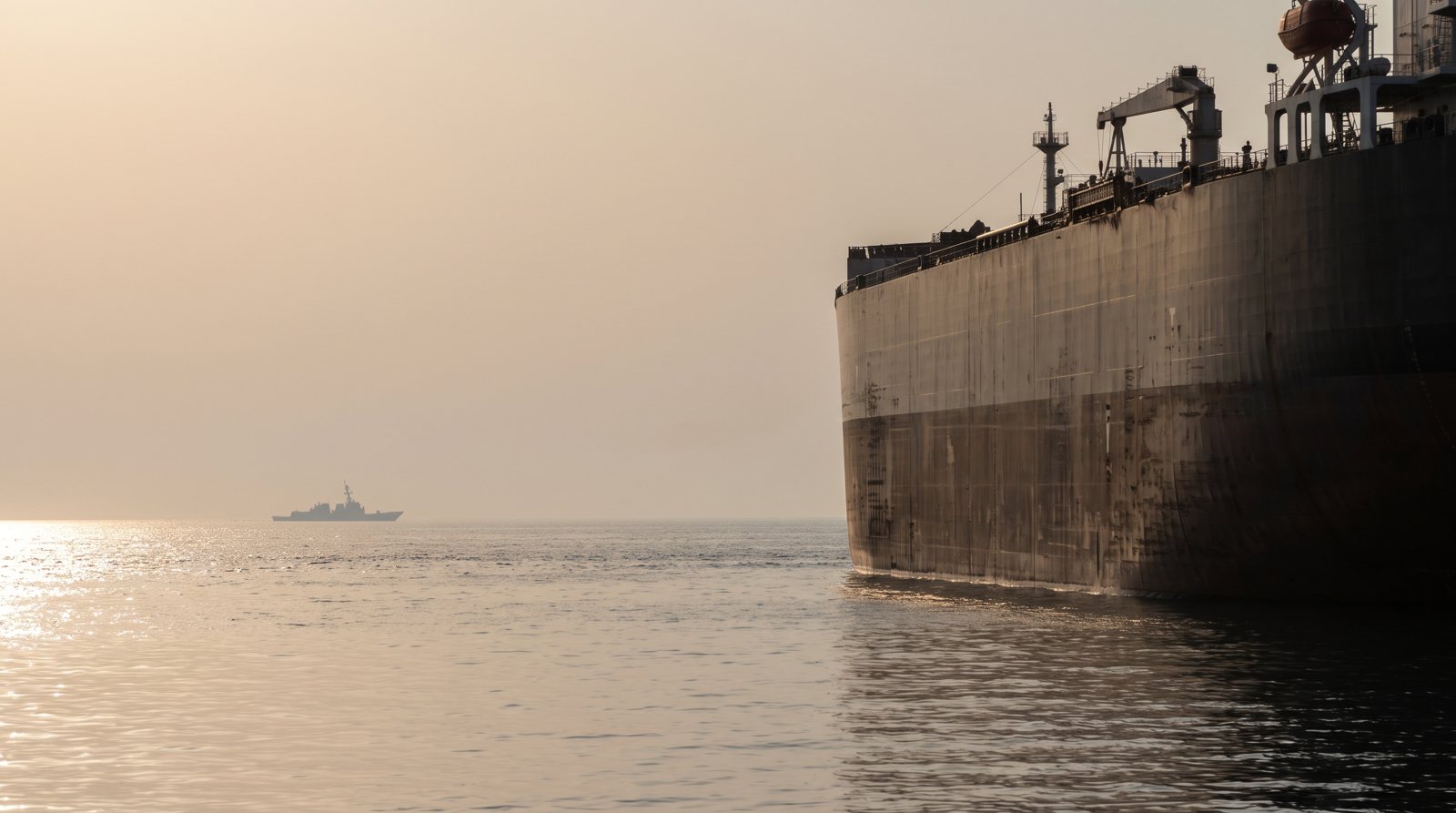
Iran's military command said over the weekend that the Strait of Hormuz will stay shut until Tehran's conditions are met, and Washington flatly rejected Iran's account of the past week — a standoff in which the two sides cannot even agree on the facts, hours before OPEC+ meets on 2027 quotas on Sunday, Nov. 29.
What happened
Iran's Artesh commander said the strait remains closed "on Khamenei's orders," according to reports from the region on Saturday, Nov. 28. US Central Command rejected as fabricated an IRGC navy chief's claims that Iranian forces struck the aircraft carrier USS Abraham Lincoln, seized tankers and imposed Hormuz transit tolls — reported at roughly $2.5 million per vessel — with CENTCOM describing the statements as falsehoods.
Iran separately said two tankers caught fire after hitting naval mines near the strait. ADNOC was reported to have restricted operations at five export terminals.
Brent settled lower on Friday ahead of the OPEC+ meeting but still logged its first weekly gain in about a month, ending a run of weekly losses on Middle East supply fears. Front-month Brent traded in the mid-$90s through the week, within sight of $100.
Why it matters
Oil markets are pricing a war-risk premium on claims neither side corroborates, which makes the premium jumpy rather than directional. Two consequences matter for portfolios.
First, energy is the one input that can override the December Fed debate: with core PCE running at 3.3%, a sustained move toward $100 Brent feeds straight into headline inflation and into the central bank calculus. Second, the disruption is uneven: refiners, tanker owners and LNG exporters — especially Qatari cargoes routed through Hormuz — absorb the first hit through freight, insurance and rerouting costs, as with any commodity shock.
OPEC+ was widely expected to roll over output targets for Q1 and link 2027 quotas to capacity, with Iraq pushing for a bigger allowance. If producers hold steady, the price signal rests entirely with geopolitics.
What to watch next
- OPEC+ decision on 2027 quotas and Q1 output, expected Sunday, Nov. 29.
- Monday's Brent and freight-market open — whether the weekly gain extends.
- Verified shipping data on Hormuz transits, tanker insurance and war-risk rates.
- December Fed pricing and the next inflation prints as energy costs pass through.
- Any confirmed incident involving US naval assets or Gulf export terminals.
Stocks in this analysis
AI stock analysis- P/E
- 16.3
- Fwd P/E
- 12.8
- Analyst target (avg)
- $184.18 (+15%)
- P/E
- 15.6
- Fwd P/E
- 12.9
- Analyst target (avg)
- $241.62 (+14%)
- P/E
- 8.5
- Fwd P/E
- 8.2
- Analyst target (avg)
- £42.45 (+17%)
Get the full AI analysis with fair value and bull, base and bear case right here on BMInsider, ready in minutes, from €1.99. Prices and ratios as of Nov 28, 2026.
Sources (3)
This analysis is for information only and is not investment advice. Prices and figures as of publication.