Dow Jumps 1,300, Nasdaq Up 7% on Huang's Return: How Much of the AI Rout Is Back?
Nvidia's reversal on Huang lifts the S&P 500 about 5% at the open. Oracle and CoreWeave lead, but yields, Fed hike bets and Nvidia probes still weigh on stocks.
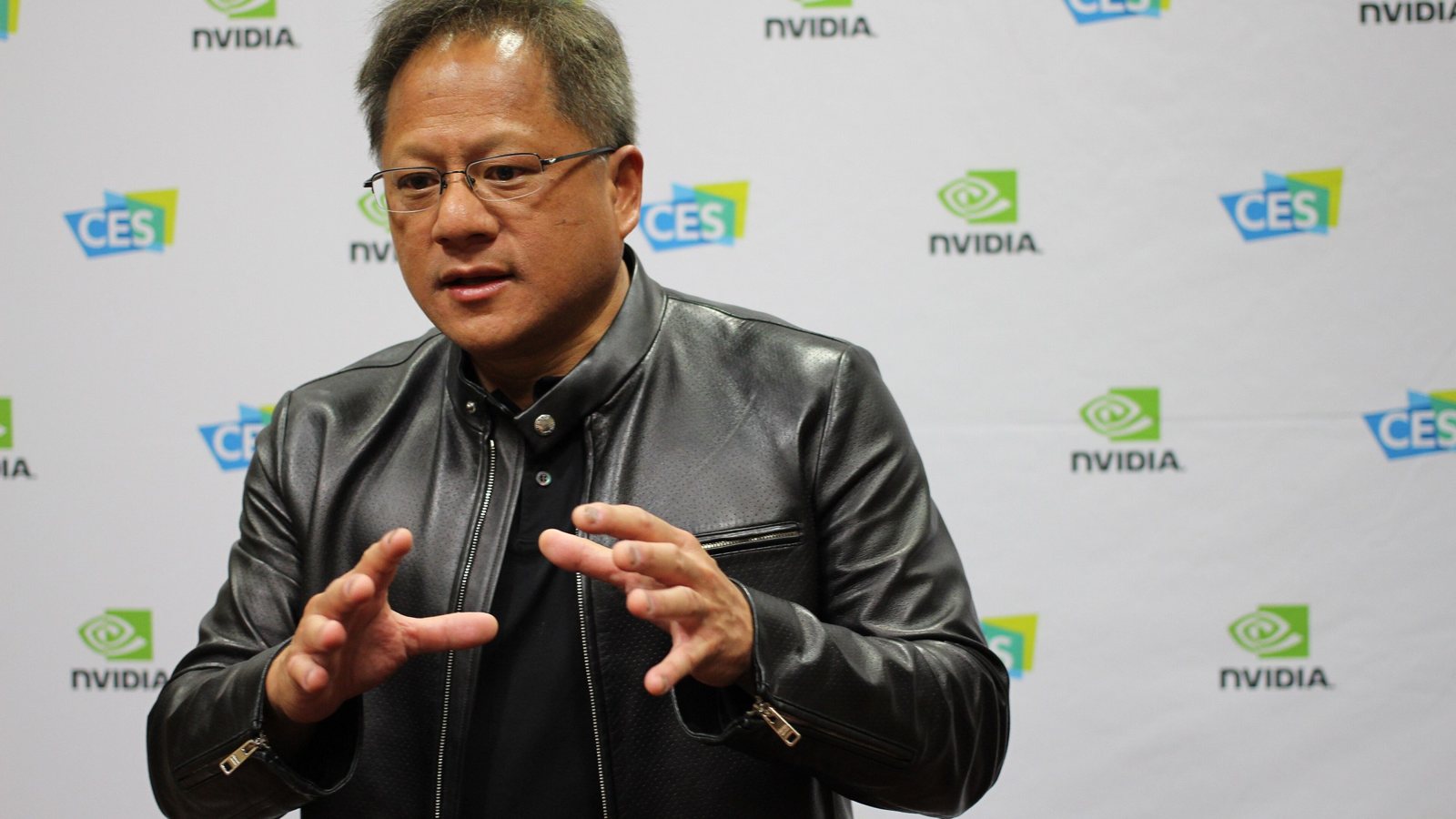
Wall Street opened Monday, Nov. 23, with its biggest rebound in years. Within minutes of the bell the Dow was up about 1,300 points (2.8%), the S&P 500 was up close to 5% and the Nasdaq 100 rose as much as 7%, after Nvidia's board reinstated Jensen Huang as CEO. The rally matters beyond Nvidia because the AI trade drives a large part of the US market. Last week, worries about that trade pushed both the S&P 500 and the Dow into correction.
What happened
Around 10 a.m. ET the S&P 500 stood at 7,236.69, up 326 points (4.7%). The Dow was at 49,518, up 1,371 points (2.85%). The Nasdaq Composite was up 6.6% at 24,119 and the Russell 2000 gained about 2.7%. Trading in the Nasdaq 100 was briefly halted premarket as the index jumped. The Associated Press said the S&P 500 was on track for one of its best days in five years.
The stocks that fell hardest on AI-financing worries rebounded the most. CoreWeave rose as much as 30% and was recently trading near $48.57, up about 23%. It is still down roughly 30% this year. Oracle rose about 15%. On Friday the company said its OpenAI computing contract is fully funded after a raise of about $20 billion earlier this month, split roughly evenly between stock and debt. Nebius also rose sharply, by as much as 30% early in the session.
Chip stocks were also strong. The Philadelphia Semiconductor Index rose about 15%, and some memory stocks gained more than 20%. Arm jumped about 20% and Dell about 25%. AMD and Broadcom were each up around 4% before the open. Nvidia traded near $165.74, up 32%, adding more than $1 trillion in market value. Last week it fell almost 23%, and as of Friday it was down about 33% for the year.
Why it matters
How much of the damage has been repaired? Based on our math from Friday's closes and last week's losses:
- S&P 500: It lost 8.61% last week and has won back about half of that. It is still about 4% below where it stood on Nov. 13.
- Dow: It lost 8.02% and has recovered only about a third.
- Nasdaq 100: It lost 10.43% in its worst week since 2020 and closed Friday about 20% below its peak, which is bear-market territory. A full 7% gain would win back roughly 60% of that drop.
In other words, about half of the drawdown is still there. Rebounds this sharp are common in the middle of drawdowns; our lesson on Volatility and Drawdowns explains why big up days tend to cluster with big down days.
The macro headwinds have not gone away. The 10-year Treasury yield rose to about 4.94–4.96% from 4.92% on Friday, and the 2-year yield rose to about 4.67%. Markets price the odds of a quarter-point hike at the Dec. 8–9 Fed meeting at about 91–96%, with near-60% odds of another hike in January, according to CME FedWatch data cited by CoinDesk. The only bets traders have dropped are those on a half-point move. The dollar index traded around 103.6–104, at or near a 19-month high. A higher discount rate makes it harder to justify high valuations. That matters most for debt-heavy builders like CoreWeave, which we looked at in CoreWeave's 23% Interest Burden.
Nvidia's own risks also remain. The company has not yet filed its 10-Q for the quarter ended Oct. 25. The new deadline is reported to be Dec. 4. According to the Wall Street Journal, the SEC has opened a civil probe, which sources said involves whether Nvidia's disclosures misled investors. The SEC declined to comment, and Nvidia has not confirmed the probe. The board is still investigating whether Huang was the target of a foreign spy. The allegations involve Alice Huang, a former executive at Megaspeed, which the Justice and Commerce Departments are investigating. In short, the event that caused last week's panic has been reversed, but the investigations behind it are still running.
Our view: for now this looks more like a relief rally than a change in trend. The selling was driven by fear around one company, and that fear has eased. But higher rates and doubts about how AI spending is financed were already pressuring stocks before Huang left Nvidia.
What to watch next
- Today: New York Fed President John Williams speaks. Also watch whether the gains hold into the close.
- Wed., Nov. 25: Revised Q3 GDP (forecast 3.4%) and October core PCE (forecast +0.3% m/m). See our analysis Fed Leans Toward Hikes.
- By Dec. 4: Nvidia's delayed 10-Q, including any findings from the internal investigation.
- Dec. 8–9: The FOMC decision. A hike is almost fully priced in.
- 10-year yield: Whether it stays below 5% or moves above it.
Stocks in this analysis
AI stock analysis- P/E
- 17.7
- Fwd P/E
- 9.9
- Analyst target (avg)
- $244.18 (+48%)
- P/E
- 17.8
- Fwd P/E
- 10.3
- Analyst target (avg)
- $236.18 (+108%)
- P/E
- 96.9
- Fwd P/E
- 25.7
- Analyst target (avg)
- $657.74 (+45%)
Free on aktienanalyse.ai: score profile, ratios versus the industry and business model. Plus, if you want it, the full analysis with fair value and bull, base and bear case. Prices and ratios as of Nov 23, 2026.
Sources (11)
- NBC News: S&P 500 surges 5% after Nvidia reinstates Jensen Huang as CEO
- Yahoo Finance: Stock market today, Nov. 23 live coverage
- AP via WKBW: US stocks soar and recover much of last week's brutal loss
- The National: Nvidia surges 28% after Jensen Huang reinstated as CEO
- CNBC: CoreWeave, Oracle soar as Huang's return relieves Nvidia AI financing fears
- BigGo Finance: Nasdaq 100 plunges in worst week since 2020; S&P 500 enters correction
- Seeking Alpha: Oracle rebounds after it reiterates it has enough funding for OpenAI work
- MLQ: Treasury yields rise as traders drop bets on a half-point December Fed hike
- FXStreet: Gold and US dollar near 19-month high
- KuCoin News: Nvidia delays 10-Q filing
- PYMNTS: SEC investigating whether Nvidia misled investors
This analysis is for information only and is not investment advice. Prices and figures as of publication.