Core PCE Hits 3.3% as Real Spending Stalls Ahead of the December Fed Vote
October core PCE rose 3.3% year over year, the third straight 0.3% monthly gain, while real consumer spending was flat on the month and the saving rate rose to 4.1%.
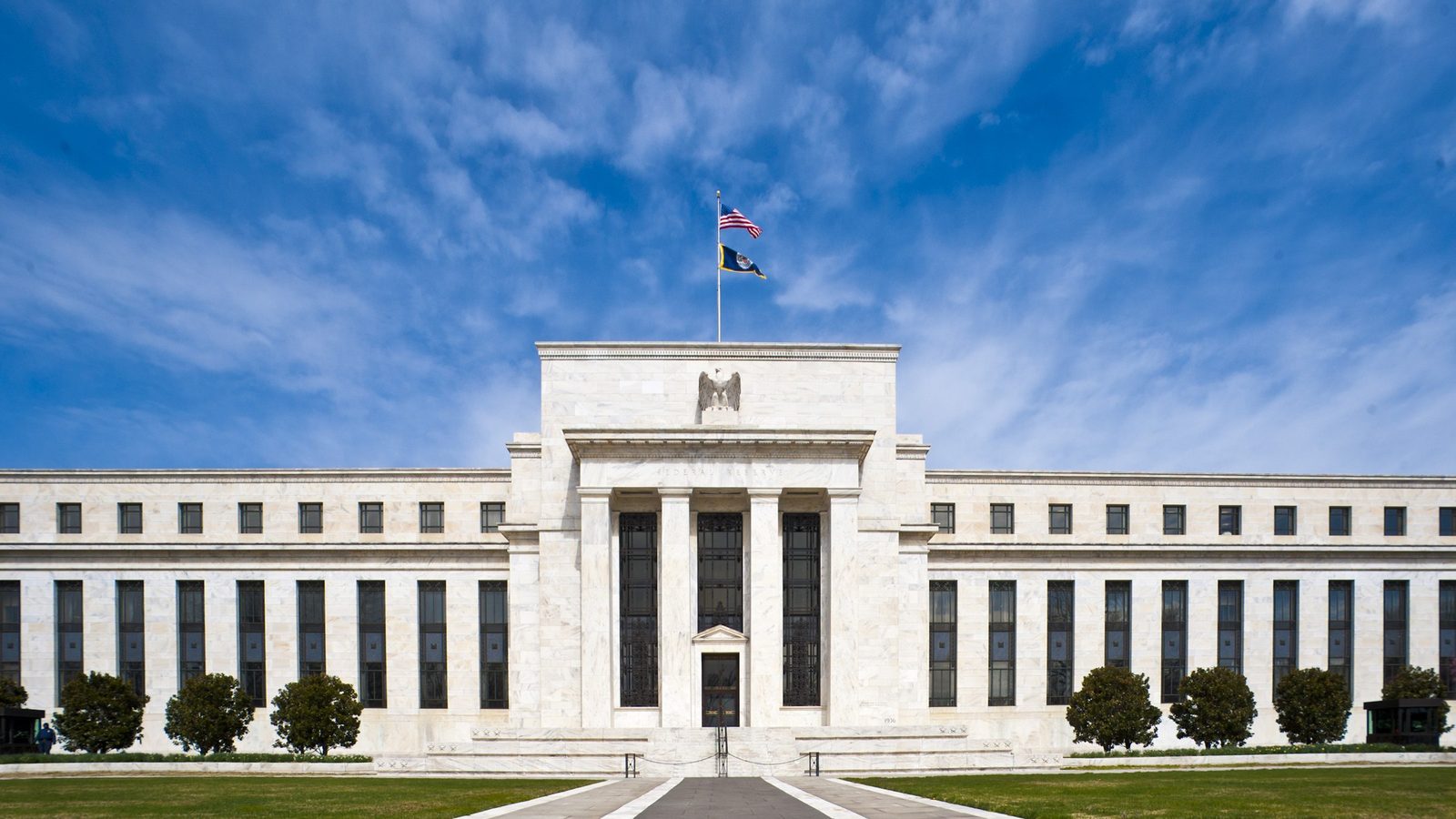
The Federal Reserve just got its last major inflation reading before its December rate decision, and it points the wrong way. The BEA reported at 8:30 a.m. ET Wednesday that the PCE price index rose 3.8% year over year in October and core PCE 3.3% — matching expectations — while real consumer spending was flat on the month. For investors, that is the market's least favorite combination: sticky core inflation and a consumer who has stopped adding to spending.
What happened
- Headline PCE: +3.8% y/y; core PCE +3.3% y/y.
- Core prices rose 0.3% month over month for a third straight month; headline also rose 0.3% after 0.5% in September.
- Real PCE was unchanged in October (down $5.8 billion, or less than 0.1%) while real disposable income rose 0.5%.
- The saving rate climbed to 4.1% from 3.8%, with nominal personal income up 0.7% and overall PCE up 0.3%.
- Markets opened fragile: Nasdaq futures were already weaker after Tuesday's tech selloff, the dollar remained firm and gold sat near a multi-month low as hike bets firmed. (BEA release)
The household arithmetic is telling. A one-time Medicare Improvement Fund premium rebate lifted incomes, yet households banked much of it rather than spending it — classic stagflation-lite behaviour.
Why it matters
Three consecutive 0.3% core prints annualise to roughly 3.7%, far from the Fed's 2% goal. With New York Fed President John Williams saying he is open to back-to-back hikes, the December move looks close to fully priced. That keeps long-dated Treasury yields elevated — and duration risk is where portfolio pain concentrates.
It also matters because inflation at this level is a direct tax on real returns. High-multiple AI and software names discount cash flows far into the future, so every basis point added to the risk-free rate bites hardest there.
What to watch next
- The Fed's Dec. 8-9 meeting and the new dot plot; the release schedule can shift in a holiday-shortened week.
- The next PCE report on Dec. 23 — the November data arrives after the Fed has already voted.
- Whether the saving-rate rise becomes precautionary: watch November retail sales and holiday-quarter guidance.
- New Section 301 tariff decisions, with the administration set to unveil tariffs after a probe into excess factory capacity — pass-through into goods prices is a risk only partly visible in October data.
Sources (4)
This analysis is for information only and is not investment advice. Prices and figures as of publication.