Bessent Unveils Fresh Iran Sanctions, Hormuz Warnings; Futures Dip, Brent Near $87
Treasury's Bessent announced new Iran sanctions with Hormuz warnings. Dow and S&P futures slipped, Brent cooled, and a ~96% December Fed hike bet hangs over it.
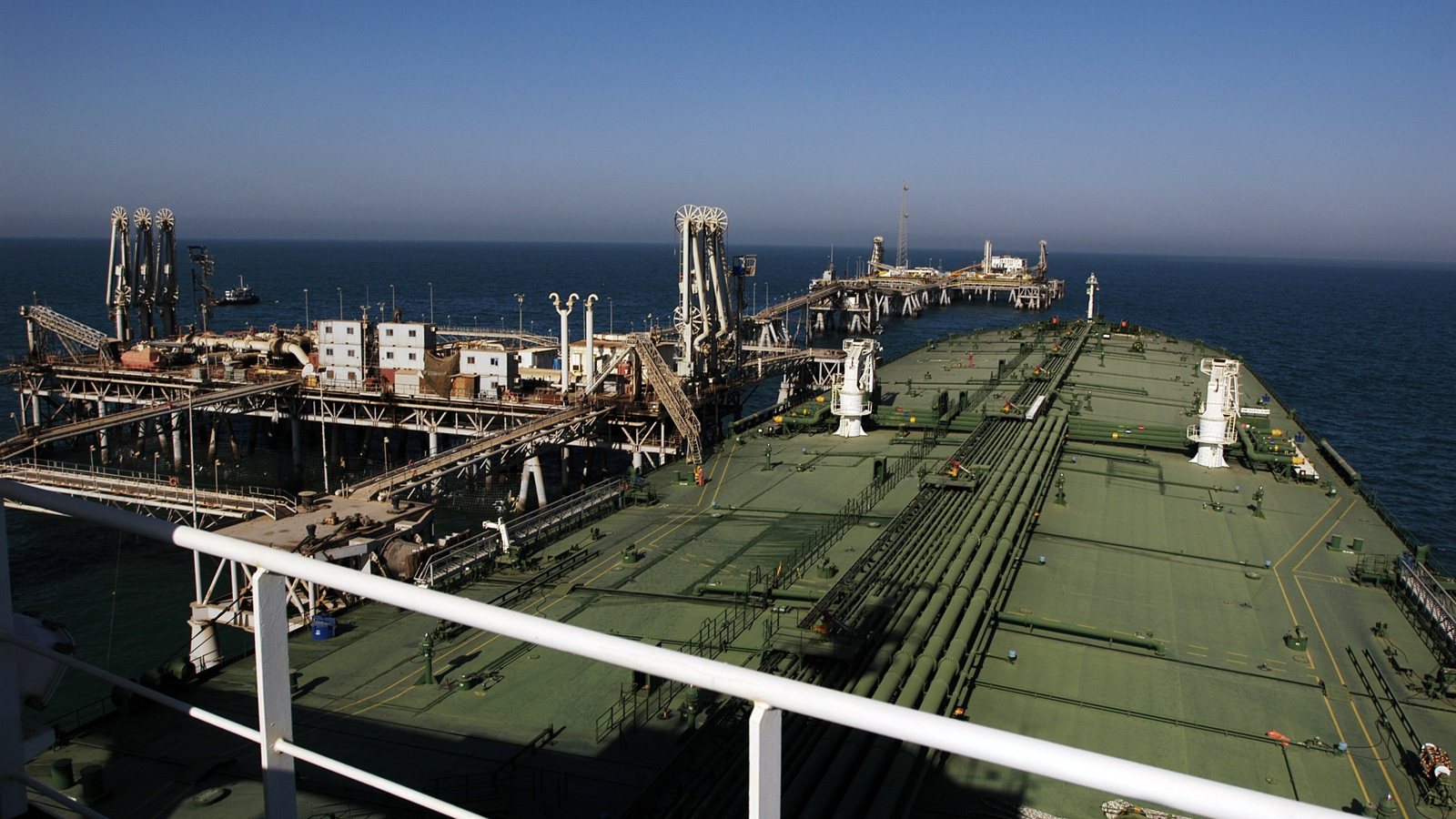
Treasury Secretary Scott Bessent unveiled fresh Iran sanctions on Tuesday, Nov. 24, ahead of the U.S. open, while Tehran warned tankers about using the Strait of Hormuz. Dow and S&P 500 futures edged lower, and the oil market now has to weigh two things: softer supply expectations and the risk of disrupted shipping.
What happened
Benzinga reported that Dow and S&P 500 futures fell after Bessent announced the measures and the Hormuz warnings, even as crude kept cooling. In early New York trading, Brent was around $86.55 a barrel and WTI near $79.89, both slightly lower. Another early reading put Brent near $88.62, so the exact level depends on the timestamp.
Brent was already sliding. On Monday it fell about 4.55% to $88.36 on expectations of a supply surplus, according to Benzinga. The full list of targets in today's announcement is not confirmed here.
Earlier Treasury rounds give a pattern. They hit Iranian exchange houses and front companies, shadow-fleet tankers, and a network that allegedly sold mandatory "insurance" to ships transiting Hormuz. Bessent has also said Chinese banks are not beyond the reach of U.S. sanctions. That shows how wide the net could become.
Why it matters
The oil dip rests on a fragile premise: that barrels keep flowing. A shipping scare in Hormuz could erase it quickly, as the earlier Gulf-strike spike near $96 showed. Dearer energy feeds inflation, which is the last thing the Fed wants. Markets price roughly a 96% chance of a December hike, as covered in our look at the Huang rally and Fed odds.
The exposure is uneven:
- Energy producers gain from a risk premium but lose if supply stays ample.
- Tankers face higher rates and higher risk.
- Airlines are hurt by costlier fuel.
- Defense tends to draw support from geopolitical tension.
- Chinese banks face secondary-sanctions risk if Washington follows through.
The move also arrives with equity sentiment already sensitive to rates and inflation, leaving little cushion. For background on how crude trades, see our guide to commodities.
What to watch next
- Brent: a sustained move back toward the mid-$90s would signal that markets are pricing in real disruption.
- Shipping insurance: war-risk premiums and transit rules around Hormuz.
- Iran's response: any enforcement against vessels, such as fines or seizures, or retaliation toward Gulf neighbors.
- Treasury follow-through: whether any Chinese or other major financial institution is actually named.
- The Fed: the Dec. 8-9 meeting and whether energy pushes up inflation expectations.
Stocks in this analysis
AI stock analysis- P/E
- 16.2
- Fwd P/E
- 12.6
- Analyst target (avg)
- $184.18 (+17%)
- P/E
- 15.1
- Fwd P/E
- 12.5
- Analyst target (avg)
- $242.54 (+18%)
Free on aktienanalyse.ai: score profile, ratios versus the industry and business model. Plus, if you want it, the full analysis with fair value and bull, base and bear case. Prices and ratios as of Nov 23, 2026.
Sources (4)
This analysis is for information only and is not investment advice. Prices and figures as of publication.